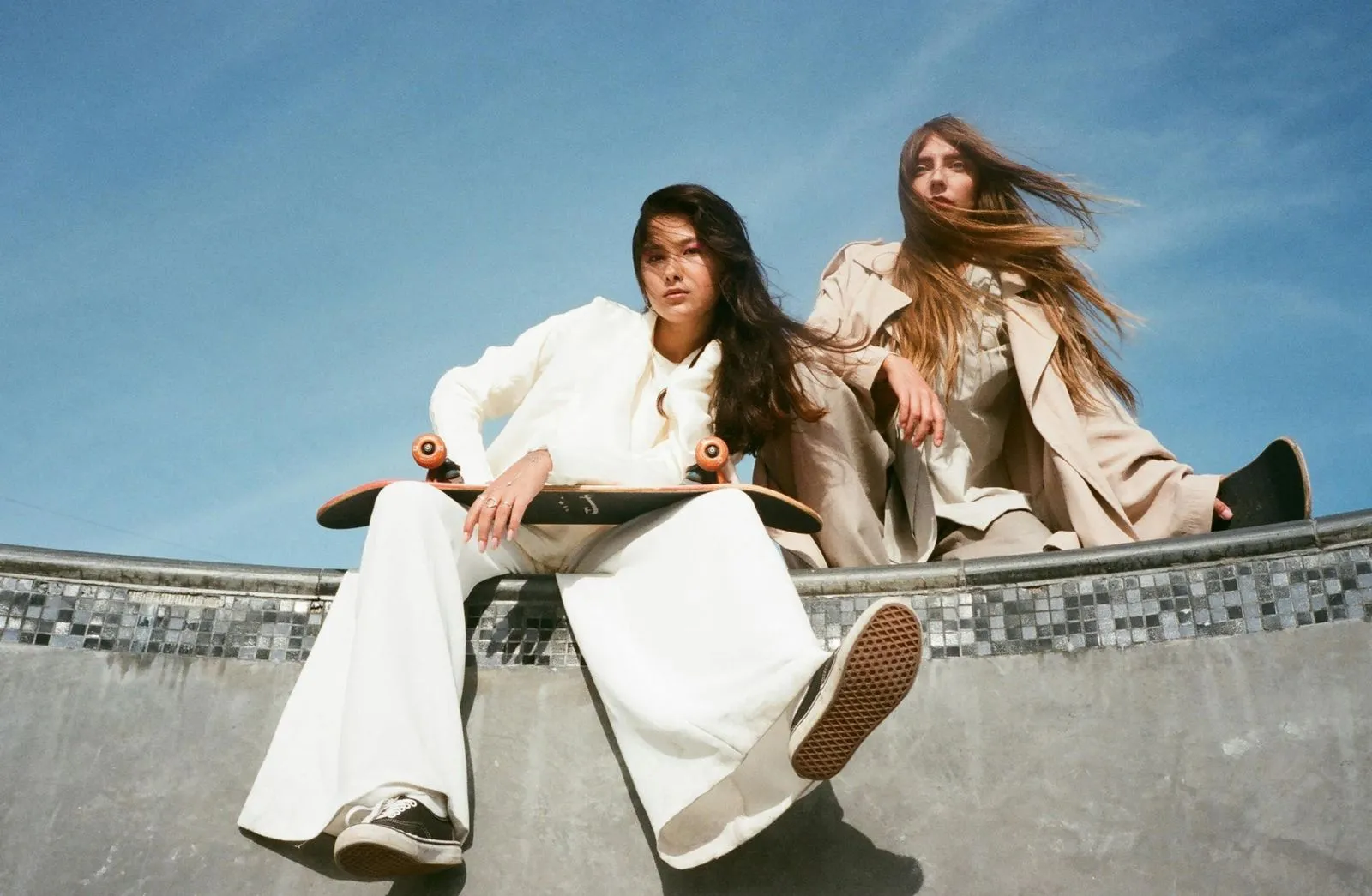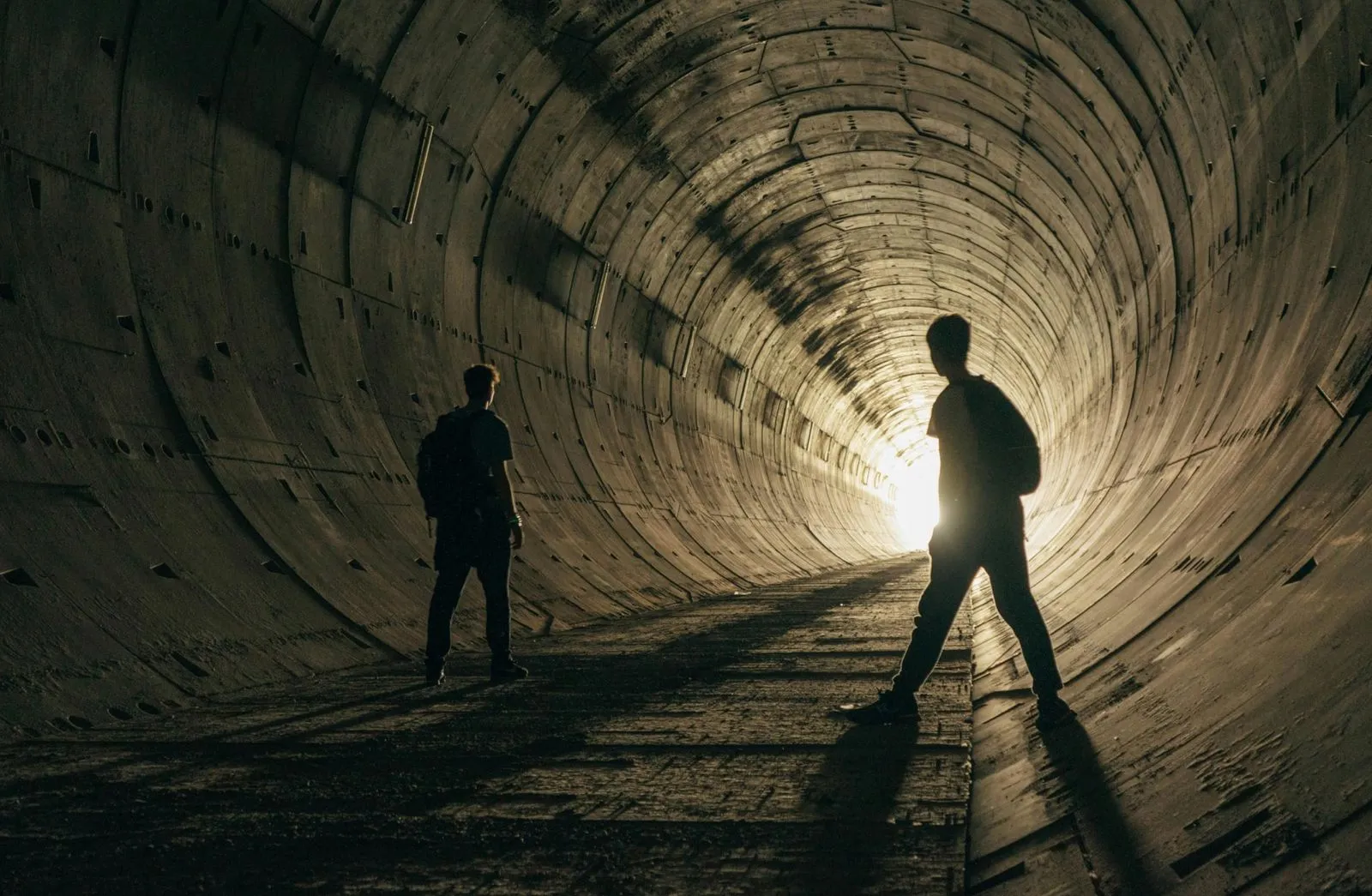
Photography literally means "drawing with light," but most photographers spend their time focusing on subjects, composition, and equipment while treating light as an afterthought. Here's the truth that separates memorable images from forgettable ones: light and shadow aren't just technical considerations – they're the primary storytelling tools that create emotion, direct attention, and transform ordinary moments into extraordinary visual experiences. Every photograph is essentially a conversation between light and shadow, and learning to speak this visual language fluently is what elevates snapshot-takers into image-makers who can capture not just what something looks like, but how it feels.
The relationship between light and shadow creates the fundamental structure of photographic composition, establishing depth, dimension, and visual hierarchy that guides viewers through the image exactly where you want them to go. Without shadow, images become flat and lifeless, lacking the dimensional quality that makes photographs feel real and engaging. Without light, there's no photograph at all. But it's in the interplay between these two elements – the gradual transitions, the sharp contrasts, the subtle gradations – where photographic magic actually happens and where photographers can exercise the most creative control over their final images.
Understanding light and shadow as active creative tools rather than passive environmental conditions changes everything about how you approach photography. Instead of accepting whatever lighting conditions exist, you begin to see light quality, direction, and intensity as variables you can work with, modify, or completely reimagine to serve your creative vision. Instead of viewing shadows as obstacles to overcome, you start recognizing them as essential compositional elements that can hide information to create mystery, frame subjects to create focus, or add texture and depth to create visual interest.
Different qualities of light trigger specific emotional responses that photographers can use intentionally to reinforce the mood and message of their images. Soft, diffused light creates feelings of comfort, gentleness, and approachability – which is why it's favored for portraits of children, romantic scenes, and beauty photography. Hard, directional light generates drama, intensity, and boldness – making it perfect for fashion photography, architectural images, and artistic portraits that need to command attention and convey strength or sophistication.
Golden hour light, with its warm color temperature and flattering angle, creates feelings of nostalgia, romance, and idealized beauty that make everything look like it belongs in a movie or dream sequence. Blue hour light generates mystery, contemplation, and urban sophistication that works beautifully for cityscapes and moody portraits. Harsh midday light can create energy and clarity but can also feel stark or unforgiving depending on how it's used. Learning to read these emotional qualities of different lighting conditions allows photographers to choose or create light that supports their intended message.
The direction of light dramatically affects the emotional impact of an image. Front lighting creates even, clear illumination that feels safe and straightforward – perfect for documentation and clear communication. Side lighting creates dimension and drama through the interplay of highlights and shadows, adding visual interest and emotional complexity. Back lighting creates silhouettes and rim lighting effects that can feel romantic, mysterious, or ethereal depending on the context and treatment.
Color temperature – the warmth or coolness of light – adds another layer of emotional communication. Warm light (lower color temperatures) feels cozy, intimate, and nostalgic, while cool light (higher color temperatures) feels modern, clean, and sometimes isolating. Mixed color temperatures in a single image can create visual tension and complexity that adds sophistication to the final result. Understanding how different light colors affect viewer emotions allows photographers to fine-tune the psychological impact of their images.
Shadows aren't the absence of light – they're sculptural elements that create form, depth, and visual structure within photographic compositions. Learning to see and use shadows as positive compositional elements rather than obstacles to overcome opens up entirely new creative possibilities for visual storytelling and artistic expression. Shadows can frame subjects, create leading lines, add texture and pattern, hide and reveal information strategically, and establish spatial relationships between different elements in the frame.
Contrast ratios between highlights and shadows determine the overall mood and visual impact of photographs. High contrast images with deep shadows and bright highlights create drama, energy, and visual punch that commands attention. Low contrast images with subtle shadow transitions create calm, sophisticated, and contemplative moods that invite closer examination. Learning to control and manipulate contrast ratios allows photographers to fine-tune the emotional intensity of their images.
Shadow patterns and shapes become design elements that can complement or contrast with the main subject matter. Geometric shadows from architectural features can add structure and order to organic subjects. Organic shadows from natural elements like trees can soften and naturalize geometric subjects like buildings. The shapes created by shadows often become as important to the composition as the lit areas, creating secondary visual elements that add complexity and interest to the overall image.
Selective lighting techniques use shadows to focus attention by controlling what areas of the image are visible and which remain hidden. By lighting only specific parts of a scene, photographers can eliminate distracting elements, create mystery and intrigue, and guide viewers' eyes exactly where they want them to go. This selective approach to lighting turns shadows into powerful tools for visual editing and compositional control that happens at the moment of capture rather than in post-processing.
Understanding how natural light changes throughout the day allows photographers to plan shoots for specific lighting conditions that support their creative vision. The harsh overhead light of midday can be perfect for creating strong geometric shadows and high-contrast dramatic effects. The soft, even light of overcast conditions provides natural diffusion that's ideal for portraits and detail photography. Learning to predict and plan for different natural lighting conditions turns environmental constraints into creative opportunities.
Window light becomes one of the most versatile and controllable forms of natural lighting for indoor photography. Large windows provide soft, directional light that can be modified with curtains, blinds, or reflectors to create exactly the quality and direction of light needed for specific subjects. North-facing windows provide consistent, soft light throughout the day, while south-facing windows offer stronger, more variable light that changes dramatically with the sun's position.
Seasonal changes in natural light create different photographic opportunities and challenges throughout the year. Winter light tends to be cooler in color temperature and lower in angle, creating longer shadows and more directional effects. Summer light is warmer and higher, providing more even illumination but potentially harsher contrast. Understanding these seasonal variations allows photographers to plan projects that take advantage of specific natural lighting conditions.
Weather conditions dramatically affect natural light quality and create unique photographic opportunities. Storm light can create dramatic, moody conditions with interesting cloud formations and unusual color temperatures. Fog and mist create natural diffusion that softens light and adds atmosphere. Rain creates reflective surfaces and interesting light patterns. Learning to work safely and effectively in various weather conditions expands the range of natural lighting possibilities available to photographers.
Studio lighting equipment gives photographers complete control over light quality, direction, and intensity, allowing for precise crafting of lighting conditions that serve specific creative visions. Softboxes create large, soft light sources that minimize harsh shadows. Beauty dishes provide controlled, directional light that's particularly flattering for portraits. Umbrellas offer broad, soft illumination that's easy to use and modify. Understanding how different light modifiers affect light quality allows photographers to choose the right tools for specific creative goals.
Multiple light setups allow for complex lighting schemes that can separate subjects from backgrounds, create depth and dimension, and establish specific moods and atmospheres. Key lights provide the main illumination for subjects. Fill lights reduce shadow contrast and reveal detail in darker areas. Background lights separate subjects from their environments and add depth. Hair lights create rim lighting effects that define subject edges and add glamour. Learning to balance multiple light sources creates sophisticated lighting designs that serve specific creative purposes.
Light ratios between different sources determine the overall contrast and mood of artificially lit images. High ratios create dramatic, high-contrast effects with strong shadows. Low ratios create even, low-contrast illumination with subtle shadow details. Understanding how to measure and control light ratios allows photographers to create consistent, predictable results that match their creative vision.
Color gels and filters allow photographers to modify the color temperature and creative effects of artificial lighting. Warming gels can make artificial light match natural light color temperatures. Cooling gels can create moonlight or twilight effects. Colored gels can add creative color effects or correct for mixed lighting conditions. Learning to use color modification tools expands the creative possibilities of artificial lighting beyond just intensity and direction control.
Light and shadow patterns trigger subconscious associations and emotional responses that photographers can use to reinforce narrative themes and storytelling goals. Bright, even lighting suggests openness, honesty, and positivity. Dark, shadowy lighting creates mystery, danger, or introspection. Dramatic contrast between light and dark can suggest conflict, tension, or transformation. Understanding these psychological associations allows photographers to use lighting choices to support and enhance their storytelling objectives.
Cultural associations with different lighting conditions affect how images are interpreted by different audiences. Western cultures often associate darkness with danger or evil and light with goodness or safety, but these associations aren't universal. Understanding the cultural context of lighting symbolism becomes important for photographers working with diverse audiences or creating images for global distribution.
Revealing and concealing information through selective lighting creates narrative tension and viewer engagement. What's shown in light becomes the focus of attention, while what's hidden in shadow creates mystery and encourages imagination. This selective revelation through lighting allows photographers to control the pace and flow of visual storytelling, revealing information gradually or creating dramatic moments of discovery.
Time of day associations affect how lighting choices are interpreted in photographic narratives. Morning light suggests new beginnings, energy, and optimism. Evening light creates feelings of conclusion, rest, or romance. Night lighting can feel mysterious, intimate, or dangerous depending on the context. Using lighting that matches or contrasts with expected time-of-day associations can reinforce or subvert narrative expectations.
Understanding exposure triangle relationships between aperture, shutter speed, and ISO allows photographers to control how light and shadow are recorded in their images. Wide apertures reduce depth of field and allow more light, creating different aesthetic effects than narrow apertures with extended depth of field. Fast shutter speeds freeze action but require more light, while slow speeds create motion blur but gather more light over time. ISO settings affect sensor sensitivity but also introduce noise that can affect image quality.
Light metering techniques help photographers measure and control exposure to achieve their desired balance of highlights and shadows. Spot metering allows precise measurement of specific areas within the frame. Matrix or evaluative metering considers the entire frame but may not match creative intentions. Understanding when and how to use different metering modes allows photographers to expose intentionally rather than accepting camera automation.
Histogram reading provides objective information about the distribution of light and dark tones in images, helping photographers make informed exposure decisions. Underexposed images bunch data toward the left side of the histogram, while overexposed images push data to the right. Learning to read histograms allows photographers to expose for optimal image quality while maintaining creative control over highlight and shadow relationships.
Dynamic range considerations affect how much detail can be captured in both highlight and shadow areas simultaneously. Cameras with wider dynamic range can capture more detail in both bright and dark areas, while cameras with limited dynamic range require more careful exposure decisions or multiple exposures for high-contrast scenes. Understanding dynamic range limitations helps photographers make appropriate exposure choices for their equipment and creative goals.
Digital editing tools provide powerful capabilities for enhancing and modifying light and shadow relationships after capture, but understanding how to use these tools effectively requires solid foundational knowledge of how light and shadow work in photography. Selective adjustments to highlights and shadows can improve the overall tonal balance of images without affecting mid-tones. Dodging and burning techniques allow for local adjustments that can enhance existing light patterns or create new ones.
Color grading and tone mapping can enhance the emotional impact of light and shadow relationships by modifying color temperatures, increasing or decreasing contrast, and adjusting the overall mood of images. These techniques work best when they enhance rather than replace good lighting captured at the time of shooting. Over-processing can destroy the natural quality of light that makes images feel authentic and engaging.
HDR (High Dynamic Range) processing allows photographers to combine multiple exposures to capture detail in both highlight and shadow areas that exceed the dynamic range of single exposures. When used skillfully, HDR can create images with enhanced detail and tonal range. When overused, HDR can create unrealistic-looking images that feel artificial and over-processed. Understanding when and how to use HDR appropriately requires good judgment about when the technique serves the creative vision.
Local adjustment tools in editing software allow for precise control over specific areas of images without affecting the entire photograph. Graduated filters can balance exposure between sky and foreground areas. Radial filters can create spotlight effects or darken backgrounds. Masking tools allow for complex selections that can isolate specific areas for targeted adjustments. Learning to use these tools effectively extends creative control over light and shadow relationships beyond what's possible during capture.
Developing an eye for light requires conscious practice and observation that goes beyond just taking photographs. Studying how light changes throughout the day, observing how different weather conditions affect light quality, and analyzing how other photographers use light in images you admire all contribute to building visual literacy around light and shadow. This observational practice can happen anywhere and doesn't require camera equipment – it just requires attention and curiosity about how light behaves.
Experimentation with different lighting conditions and techniques builds practical experience that can't be learned from books or tutorials alone. Setting up simple lighting exercises with single light sources, practicing window light portraits, or exploring natural light at different times of day all contribute to hands-on learning that builds intuitive understanding of how light and shadow work together.
Studying the work of master photographers who excel at using light and shadow provides inspiration and technical education about advanced lighting techniques. Photographers like Ansel Adams, Henri Cartier-Bresson, Irving Penn, and contemporary masters each have distinctive approaches to light that can provide learning opportunities and creative inspiration.
Regular practice with intentional focus on light and shadow relationships helps develop technical skills and creative vision simultaneously. This might involve dedicated lighting practice sessions, participating in photography challenges focused on light, or simply approaching every photography session with conscious attention to how light affects the final image quality and emotional impact.
Ready to master the art of light and shadow? At Echo Bloom Solutions, we understand that compelling visual communication requires more than just technical camera skills – it requires understanding how light and shadow create emotion, direct attention, and tell stories that words alone cannot convey. Whether you're developing brand photography that captures attention or creating visual content that connects with audiences, mastering light and shadow is essential for creating images that truly resonate.
Let's illuminate your vision: hello@echobloomsolutions.com.au
Because every great photograph is really a conversation between light and shadow. 📸✨




.svg)