Nature has been the ultimate creative director long before humans invented design principles, color theory, or brand guidelines. While we're hunched over laptops debating whether to use "forest green" or "sage," actual forests are out there executing perfect color palettes that shift seamlessly through seasons, creating visual experiences that no algorithm could replicate. The natural world operates as a masterclass in design thinking, offering endless inspiration for everything from logo concepts to user experience flows, if we're willing to slow down and actually pay attention.
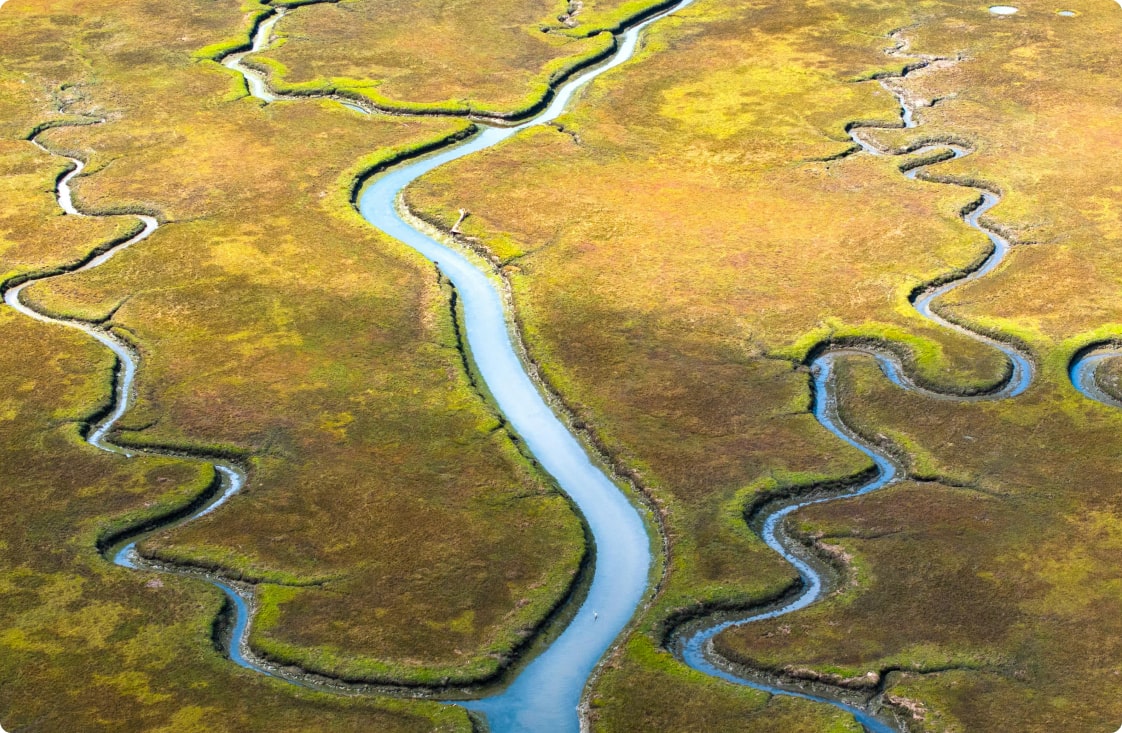
The spiral patterns in pinecones follow the same mathematical principles that create compelling visual hierarchies in web design. The way light filters through forest canopies teaches us about layering and depth in brand photography. The organic curves of river systems show us how to create user journeys that feel natural and inevitable rather than forced and awkward. Nature doesn't just provide pretty pictures for mood boards – it offers fundamental design principles that have been tested and refined over millions of years of evolution. When we're stuck on a creative problem, often the solution is literally growing in our backyard.
What makes natural inspiration so powerful for creative work is its perfect balance of pattern and unpredictability, structure and organic flow. A tree follows clear growth patterns while remaining completely unique in its specific form. Ocean waves follow consistent physical laws while creating infinite variations in movement and texture. This combination of underlying order with surface variety is exactly what makes great design memorable – familiar enough to feel comfortable, unique enough to capture attention. Nature teaches us that the most compelling creative work doesn't choose between consistency and surprise – it finds ways to deliver both simultaneously.
The color relationships in natural environments offer masterclasses in palette development that no design school could replicate. Desert sunsets show us how warm colors can create depth and emotion. Forest floors demonstrate how multiple greens can coexist without competing. Coral reefs prove that vibrant colors can harmonize in ways that seem impossible until you see them working perfectly together. These natural color stories don't just inspire individual design projects – they teach us fundamental principles about how colors interact, support each other, and create emotional responses that we can apply across all kinds of creative work.
Seasonal changes in nature provide the ultimate case study in brand evolution and adaptation. Trees don't abandon their essential identity when they change from spring green to autumn gold – they demonstrate how to evolve aesthetically while maintaining core character. This natural approach to change offers powerful lessons for brands that need to stay fresh and relevant without losing their foundational identity. Nature shows us that evolution doesn't mean revolution – it means thoughtful adaptation that honors the past while embracing new possibilities.
The textures, patterns, and forms found in natural environments offer infinite inspiration for creative solutions that feel both innovative and timeless. The hexagonal efficiency of honeycomb structures, the fractal complexity of fern leaves, the elegant simplicity of smooth river stones – these natural forms have inspired everything from architectural innovations to user interface designs. When we're looking for creative solutions that feel both fresh and fundamentally right, nature provides a library of forms and patterns that have already solved complex design challenges through evolutionary testing.
Perhaps most importantly, spending time in natural environments changes how our brains process creative information, providing the mental space and perspective shifts that enable breakthrough thinking. The Japanese practice of "forest bathing" isn't just wellness trend – it's recognition that natural environments literally alter our cognitive state in ways that enhance creativity and problem-solving. When we step away from screens and artificial environments, our minds shift into different modes of processing that often reveal solutions and inspirations that remained hidden in office environments.
The key to translating natural inspiration into practical creative work isn't about literal copying but about understanding the underlying principles that make natural forms so compelling and effective. It's about recognizing the patience of natural growth processes when we're rushing creative timelines, learning from the efficient resource use of natural systems when we're designing sustainable solutions, and appreciating the way natural environments create experiences that engage all the senses, not just vision.
Ready to find your creative breakthrough in the great outdoors? Sometimes the best design solution is waiting outside your office door. At Echo Bloom Solutions, we believe that the most innovative creative work comes from expanding our sources of inspiration beyond industry conventions and competitor analysis to include the infinite creativity of the natural world.
Let's explore together: hello@echobloomsolutions.com.au
Because the best creative ideas often grow wild. 🌱✨






.svg)