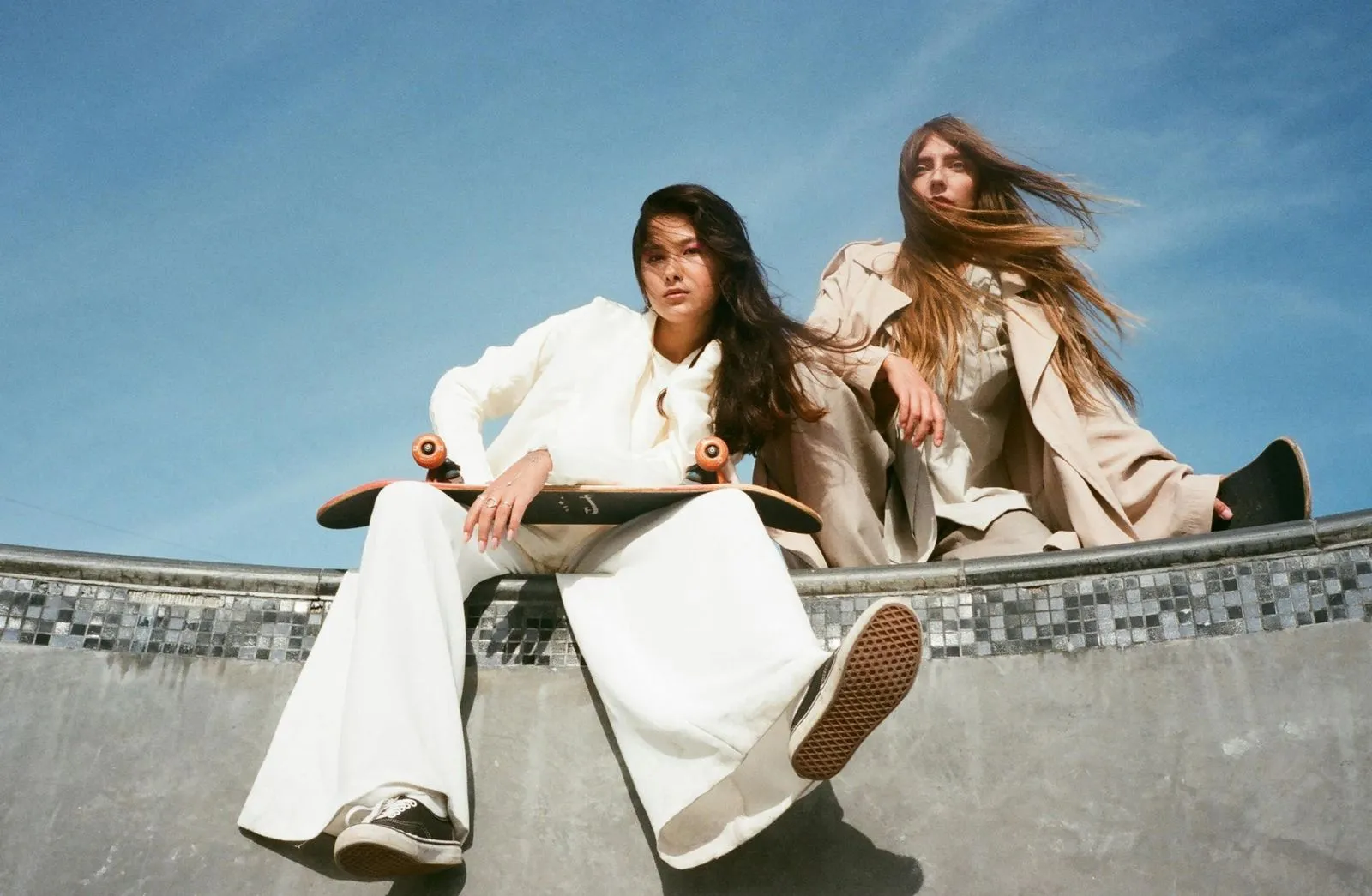
The city never sleeps, and neither does its fashion sense. Walk through any major urban center and you'll witness the most diverse, dynamic, and authentic fashion show on the planet – one where the models are commuters, the runway is asphalt, and the audience participates simply by existing in the same shared space. Fashion in the cityscape isn't just about what people wear, it's about how urban environments shape style choices, cultural expression, and the very definition of what looks good and feels right. The relationship between fashion and city life is symbiotic, with urban landscapes influencing clothing design while street style shapes how we understand and experience the built environment around us.
Cities create unique fashion ecosystems where practicality meets aspiration, where global trends blend with local culture, and where individual expression must navigate shared public spaces. The fashion that emerges from urban environments reflects the complexity of city living – clothes that must work for walking miles on concrete, transitioning from subway to office to dinner, and expressing personal identity within diverse communities. Urban fashion isn't just about looking good, it's about functioning well in environments that demand versatility, durability, and adaptability while still allowing for creativity and self-expression.
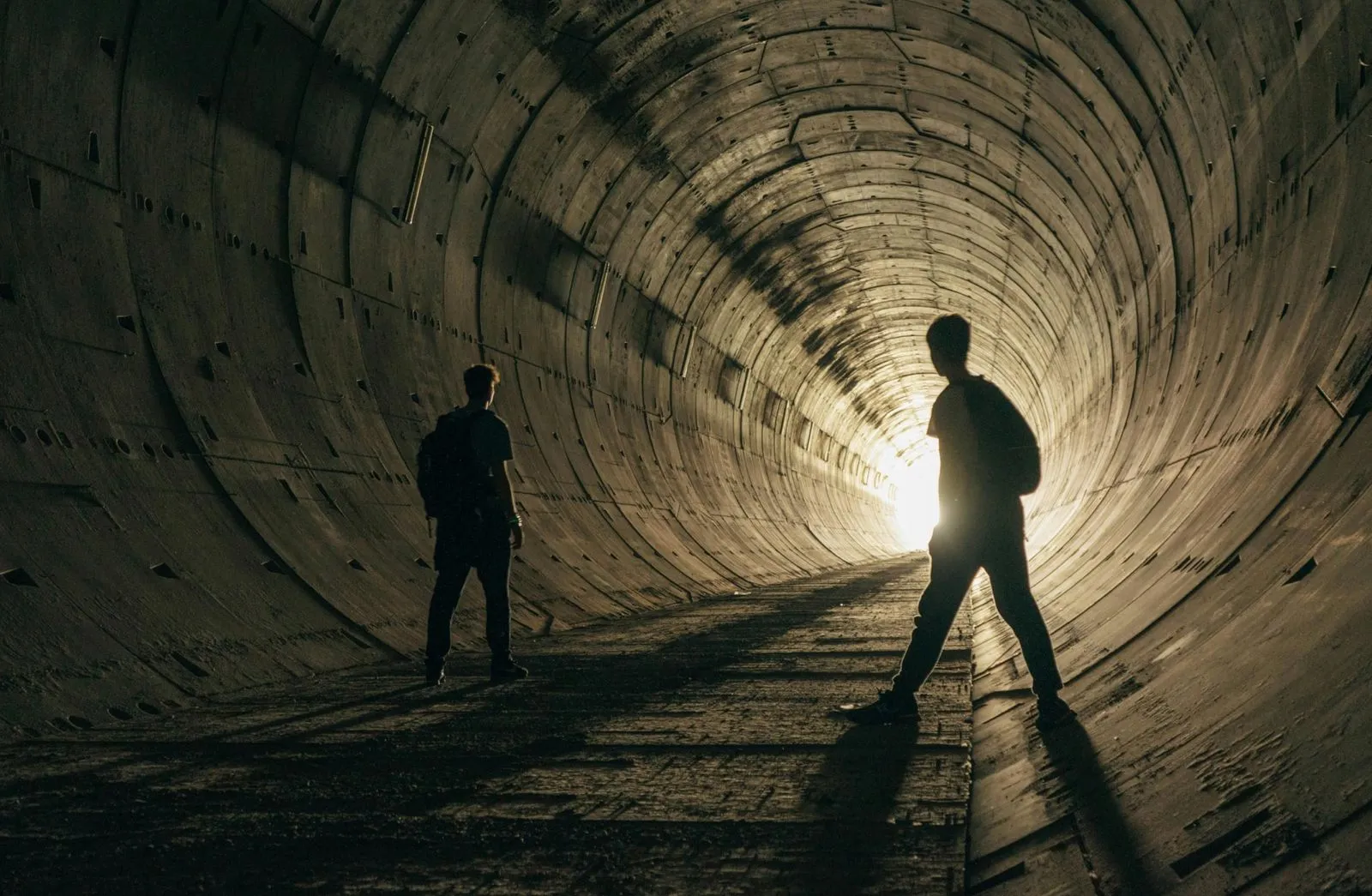
The visual landscape of cities directly influences fashion trends, color palettes, and aesthetic preferences in ways that rural or suburban environments simply cannot. The industrial textures of exposed brick and steel, the geometric patterns of glass and concrete architecture, the interplay of artificial lighting and natural shadows – these urban visual elements show up repeatedly in fashion design, from the utilitarian details of streetwear to the architectural silhouettes of high fashion. Cities don't just provide backdrops for fashion photography, they actively participate in shaping what we consider stylish, modern, and culturally relevant.
Urban architecture creates visual vocabularies that fashion designers consciously and unconsciously incorporate into their work, translating the lines, proportions, and materials of buildings into wearable forms. The clean minimalism of modern office buildings influences the structured simplicity of contemporary workwear. The ornate details of historic architecture inspire embellishments and decorative elements in formal fashion. The industrial functionality of warehouses and factories shapes the utilitarian aesthetic of streetwear and casual clothing. Fashion doesn't exist in isolation from its environment – it's constantly in dialogue with the visual language of the spaces where it's worn.
The scale and proportion of urban spaces affect how fashion looks and feels when worn in city environments. Clothing that looks perfectly proportioned in suburban settings might feel overwhelming or underwhelming against the massive scale of city architecture. Urban fashion develops its own sense of proportion and visual weight that works in relationship to towering buildings, wide boulevards, and expansive public spaces. This environmental consideration influences everything from the volume of silhouettes to the scale of patterns and prints.
Material choices in urban fashion often echo the textures and surfaces found in city environments. Leather that mirrors the patina of aged brick, metallic fabrics that catch light like glass and steel, structured materials that echo the rigidity of concrete and stone – these material connections between fashion and architecture create visual harmony between people and their urban surroundings. The tactile quality of city surfaces influences fashion textures, with smooth, hard, and reflective materials becoming more prominent in urban style vocabularies.
Color palettes in city fashion frequently draw from urban environments, with the grays of concrete, the blacks of asphalt, the whites of modern buildings, and the earth tones of brick creating neutral foundations that work well against city backdrops. These urban-influenced color schemes provide versatile bases that can be accented with brighter colors drawn from urban elements like signage, street art, or seasonal changes in city landscaping. The muted sophistication of urban color palettes reflects the need for clothing that works across diverse city contexts without clashing with the built environment.
Street style photography has transformed city sidewalks into unofficial runways where everyday fashion choices become cultural documentation, capturing how different communities interpret and adapt global fashion trends within their specific urban contexts. These impromptu fashion moments reveal how personal style intersects with social identity, economic realities, and cultural belonging in ways that traditional fashion media often misses. Street style isn't just about individual fashion choices – it's about how communities use clothing to express values, aspirations, and cultural connections within urban spaces.
The democratization of fashion through street style has shifted power dynamics in the fashion industry, with authentic urban style influencing high fashion rather than simply copying it. Designers increasingly look to city streets for inspiration, recognizing that innovative styling often emerges from the creative constraints and cultural mixing that happen naturally in urban environments. Street style has proven that fashion innovation doesn't require expensive materials or formal training – it requires creativity, cultural awareness, and the confidence to experiment within shared public spaces.
Youth culture and urban fashion intersect in particularly powerful ways, with younger generations using clothing choices to signal belonging to specific communities while differentiating themselves from mainstream adult culture. Urban environments provide the density and diversity necessary for youth subcultures to develop distinct fashion languages that can then influence broader cultural trends. The city becomes a laboratory for fashion experimentation where young people test new combinations, push boundaries, and create visual languages that reflect their values and aspirations.
Economic diversity in urban areas creates fashion ecosystems where luxury items mix with thrift finds, where expensive statement pieces are paired with everyday basics, and where creative styling often matters more than brand names or price points. This economic mixing in urban fashion challenges traditional ideas about status dressing and creates more democratic approaches to personal style. Cities demonstrate that fashion creativity doesn't require unlimited budgets – it requires imagination, resourcefulness, and understanding of how different pieces can work together to create compelling looks.
City living demands clothing that can transition seamlessly between different activities, environments, and social contexts throughout a single day. Urban fashion develops around the need for versatility – pieces that work for commuting, office meetings, after-work social events, and weekend activities without requiring complete outfit changes. This practical requirement has pushed fashion toward more thoughtful design that prioritizes adaptability, comfort, and longevity while still allowing for style expression and personal creativity.
Transportation modes in cities significantly influence fashion choices and design priorities. Clothing that works for walking long distances, navigating subway systems, riding bicycles, or sitting in traffic requires different considerations than fashion designed for suburban or rural lifestyles. Urban fashion emphasizes breathable fabrics, comfortable fits, wrinkle-resistant materials, and protective elements that help clothing and wearers survive the physical demands of city transportation while still looking put-together.
Weather variability in urban environments, complicated by factors like wind tunnels between buildings, heat islands from concrete and asphalt, and limited access to shelter, creates specific requirements for urban clothing. Layering becomes essential, with fashion systems that allow for quick adaptation to changing conditions as people move between air-conditioned interiors and hot outdoor spaces, or between sunny and shaded areas of the city. Urban fashion prioritizes flexibility and adaptability over seasonal rigid dressing rules.
Professional requirements in urban business districts create unique fashion challenges where clothing must signal competence and authority while remaining comfortable for long days and practical for city commuting. Urban professional fashion has evolved to balance traditional business dress codes with the practical realities of city life, creating new categories of clothing that maintain professional appearance while accommodating urban lifestyle demands. This evolution has influenced broader fashion trends toward more comfortable and practical professional clothing.
Different neighborhoods within cities develop distinct fashion personalities that reflect local culture, economic conditions, and community values. The artistic bohemian style of creative districts differs dramatically from the polished minimalism of financial areas or the eclectic mix found in diverse residential neighborhoods. These micro-fashion cultures within cities demonstrate how local community influences personal style choices and how fashion serves as a form of neighborhood belonging and cultural expression.
Gentrification processes in urban neighborhoods often involve changes in local fashion culture, with incoming residents bringing different style preferences and economic capabilities that can alter the visual character of communities. These fashion changes become visible markers of neighborhood transformation, sometimes creating tension between long-term residents and newcomers. Understanding neighborhood fashion dynamics requires sensitivity to how clothing choices reflect and influence community identity and cultural belonging.
Local businesses in urban neighborhoods – from vintage shops to ethnic groceries to independent boutiques – create fashion ecosystems that support distinct neighborhood styles. These local retail environments provide access to unique pieces, cultural fashion elements, and styling inspiration that can't be found in chain stores or online shopping. Neighborhood fashion identity often depends on these local retail relationships that connect residents with clothing options that reflect community values and aesthetic preferences.
Community events and local gatherings in urban neighborhoods provide opportunities for fashion expression and cultural exchange that influence broader neighborhood style trends. Street festivals, farmers markets, local art shows, and community meetings become informal fashion shows where residents observe and influence each other's style choices. These community fashion moments help establish and evolve neighborhood aesthetic identities that distinguish different areas of the city.
Social media has transformed how urban fashion trends develop and spread, with local street style now influencing global fashion conversations through Instagram, TikTok, and other visual platforms. City fashion moments can become viral trends within hours, accelerating the pace of fashion change and creating new pressures for constant style innovation. This digital amplification of urban fashion has made cities even more important as fashion trend incubators while changing how people think about and document their daily clothing choices.
E-commerce and fashion apps have changed how urban residents access and purchase clothing, reducing dependence on local retail while creating new opportunities for discovering unique pieces from around the world. This digital access to global fashion has made urban fashion more diverse and eclectic while sometimes reducing the influence of local fashion communities and retail environments. The challenge for urban fashion culture is maintaining local identity and community connections while taking advantage of digital fashion resources.
Wearable technology integration in urban fashion addresses specific city living challenges like navigation, communication, and personal safety while maintaining style considerations. Smart watches, fitness trackers, and connected accessories are becoming standard parts of urban fashion choices, requiring new approaches to styling that incorporate functional technology seamlessly into personal aesthetic choices. This technology integration is pushing fashion design toward more thoughtful consideration of how digital devices interface with clothing and personal style.
Sustainable fashion technology, including clothing rental apps, resale platforms, and sustainable fashion brands, is gaining particular traction in urban environments where environmental consciousness, space limitations, and diverse fashion needs create demand for more sustainable consumption patterns. Cities are becoming testing grounds for new models of fashion consumption that prioritize access over ownership and sustainability over fast fashion trends.
Climate change adaptation will increasingly influence urban fashion design as cities become hotter, weather patterns become more extreme, and environmental concerns become more pressing. Future urban fashion will need to address heat management, air quality protection, and weather adaptability while maintaining style and cultural expression. This environmental pressure is already pushing fashion toward more thoughtful material choices and design approaches that prioritize long-term wearability over short-term trends.
Smart city development will create new contexts for urban fashion as cities integrate more technology into public spaces and infrastructure. Fashion will need to interface with smart city systems, from payment integration in clothing to responsive materials that interact with urban sensors. This technological integration will create new opportunities for fashion innovation while requiring designers to consider how clothing functions within increasingly connected urban environments.
Urban density increases will continue to influence fashion toward more compact, versatile, and multifunctional clothing that can serve multiple purposes within limited living spaces. As cities become more crowded and expensive, fashion will need to provide maximum utility and expression within minimal physical footprints. This constraint will likely drive innovation in transformable clothing, modular fashion systems, and space-efficient wardrobe solutions.
Cultural diversity in urban environments will continue to influence fashion toward more inclusive, adaptable, and culturally sensitive design approaches that can serve diverse communities within shared urban spaces. Future urban fashion will need to balance global trends with local cultural expressions, creating fashion ecosystems that celebrate diversity while maintaining community cohesion and individual expression opportunities.
Ready to explore where fashion meets urban innovation? At Echo Bloom Solutions, we understand that the best brand stories emerge from authentic cultural connections and real community engagement. Whether you're a fashion brand looking to connect with urban communities or an urban business wanting to integrate style and culture into your brand identity, we're here to help you navigate the intersection of fashion, culture, and city life.
Let's create something authentic together: hello@echobloomsolutions.com.au
Because the streets are always watching, and style is always speaking. 🏙️✨



.svg)